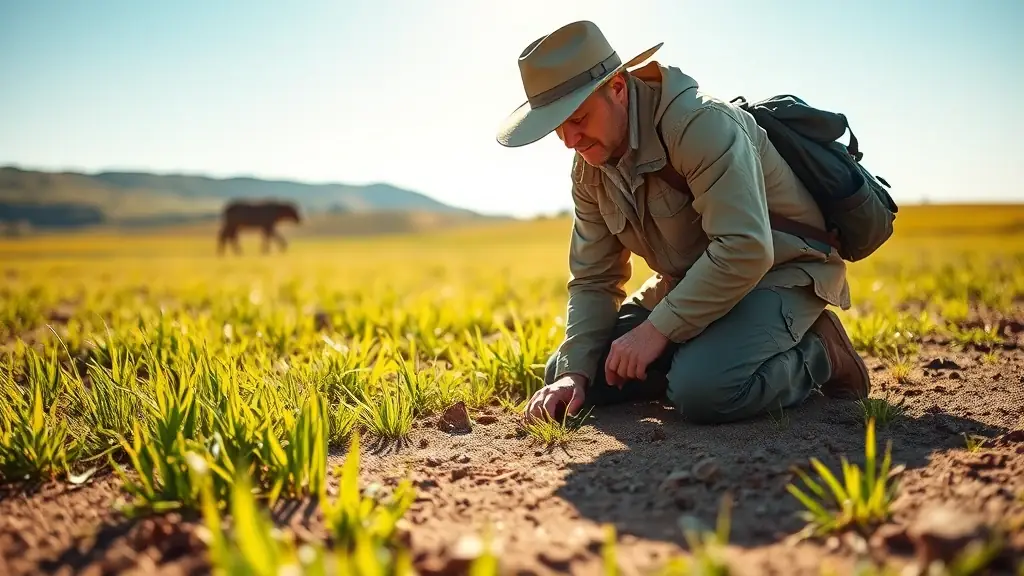
Hunting, when conducted responsibly and within regulated frameworks, plays a vital role in maintaining ecological balance. It helps to control populations of certain species, preventing overgrazing, habitat destruction, and the spread of disease. Without hunting, some wildlife populations can grow unchecked, leading to imbalances in the ecosystem. Regulated hunting ensures that wildlife populations remain within sustainable levels, promoting biodiversity and ecosystem health.
One of the key benefits of hunting is its ability to prevent overpopulation of certain species. When populations exceed the carrying capacity of their habitat, they can deplete food resources, damage vegetation, and increase the risk of disease outbreaks. Hunting helps to keep populations in check, preventing these negative impacts. Additionally, hunting can help to reduce conflicts between wildlife and humans, such as crop damage and vehicle collisions.
Furthermore, hunting provides funding for wildlife conservation efforts. License fees and excise taxes on hunting equipment generate revenue that is used to support habitat management, research, and law enforcement. Hunters are often active participants in conservation efforts, volunteering their time and resources to improve wildlife habitat and promote sustainable hunting practices. By supporting regulated hunting, we can contribute to the long-term health and sustainability of our natural resources. Hunting is a valuable tool for managing wildlife populations and maintaining ecological balance.