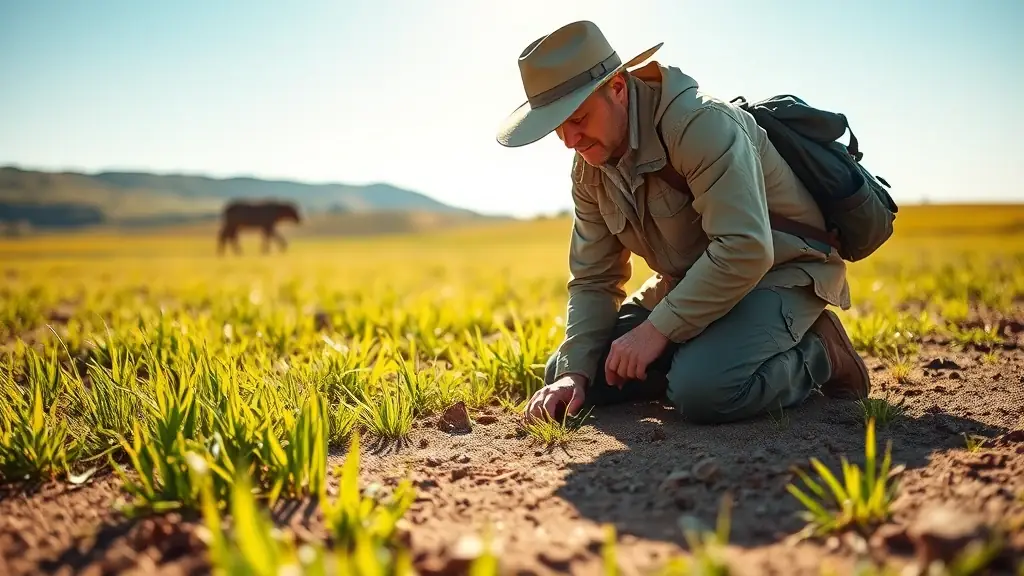
Game management is the science and art of manipulating wildlife populations and their habitats to achieve specific goals. These goals often include maintaining healthy and sustainable populations of game species, as well as managing conflicts between wildlife and humans. Effective game management requires a thorough understanding of wildlife ecology, habitat requirements, and the impacts of human activities. It also involves collaboration between hunters, landowners, and government agencies.
One of the primary tools of game management is habitat manipulation, which involves altering the environment to benefit specific wildlife species. This can include activities such as creating food plots, thinning forests, and restoring wetlands. By providing suitable habitat, managers can increase the carrying capacity of the land and support larger wildlife populations. Another important aspect of game management is regulating hunting pressure to prevent overharvesting.
In addition to habitat management and hunting regulations, game managers also work to control invasive species, manage disease outbreaks, and mitigate human-wildlife conflicts. They may also conduct research to monitor wildlife populations and assess the effectiveness of management strategies. By employing a holistic approach to wildlife management, we can ensure the long-term health and sustainability of our natural resources. Game management is a continuous process that requires adaptive management and ongoing monitoring.