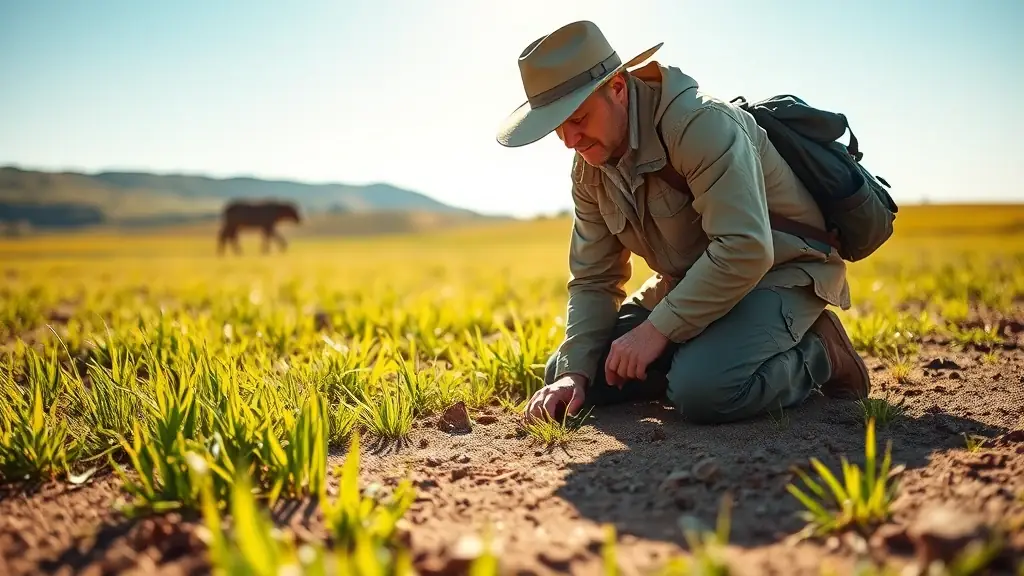
Ethical hunting is paramount to preserving the integrity of our sport and ensuring the sustainability of wildlife populations. It encompasses a range of principles that guide hunters in making responsible decisions. These principles include respecting wildlife, adhering to hunting regulations, and minimizing the impact on the environment. By embracing ethical hunting practices, we contribute to the long-term health of ecosystems and promote a positive image of hunting.
One key aspect of ethical hunting is fair chase, which means giving the animal a reasonable chance to escape. This involves avoiding the use of unfair tactics or technology that would give the hunter an undue advantage. Additionally, ethical hunters prioritize the humane treatment of animals, striving for quick and clean kills. They also make every effort to retrieve wounded animals, minimizing suffering and waste.
Furthermore, ethical hunting extends beyond the hunt itself to include responsible land stewardship and respect for private property. Hunters should always obtain permission before hunting on private land and take care to avoid damaging crops or other resources. By demonstrating respect for the land and its owners, hunters can foster positive relationships with the community and ensure continued access to hunting opportunities. Ethical hunting is not just a set of rules, but a commitment to responsible and sustainable practices.